9 Aug 2026
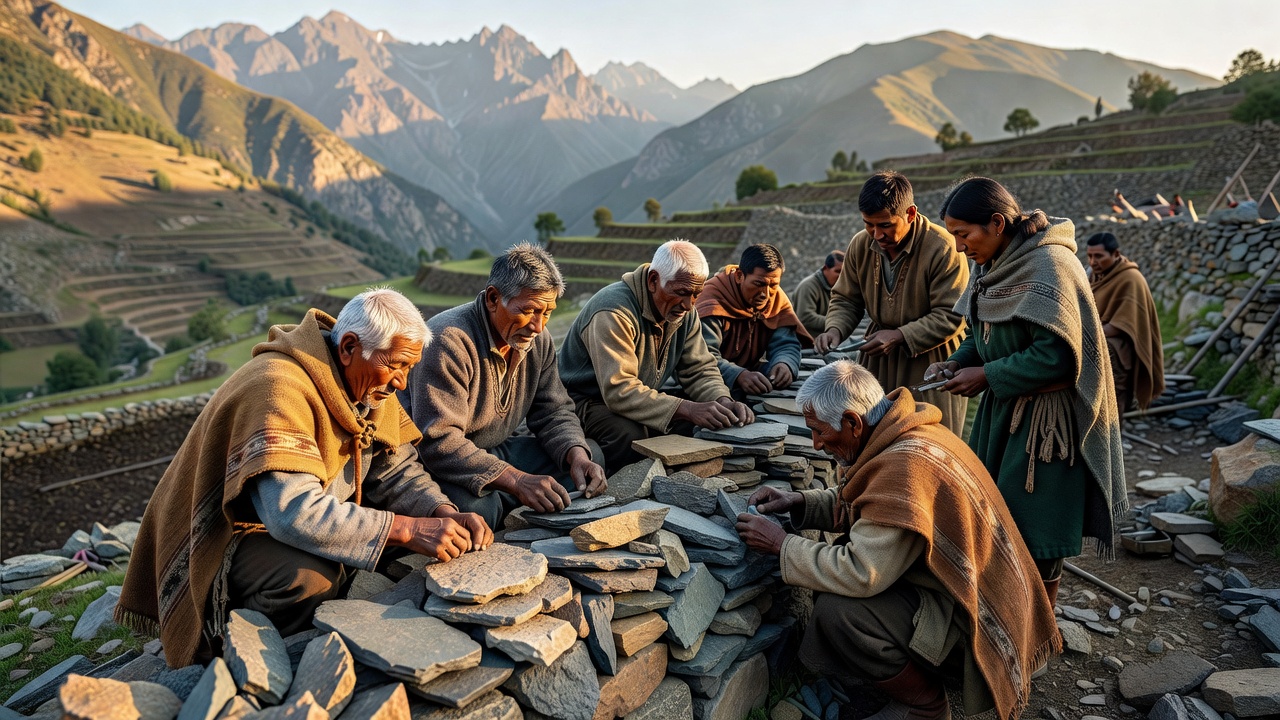
The Lomazeno people form a distinct cultural community with strong ties to their mountainous homeland. Their society emphasizes cooperation, respect for elders, and sustainable use of natural resources. Generations have adapted to rugged terrain through innovative farming and craft traditions that continue to define daily existence.
Historical Background and Origins
Archaeological findings indicate Lomazeno settlements existed for more than a millennium. Early inhabitants developed terrace agriculture to maximize arable land on steep slopes while preventing erosion. Oral histories recount migrations prompted by climate shifts and conflicts with neighboring groups, shaping a resilient collective identity. Language dialects preserve detailed accounts of these movements and the establishment of village governance systems based on consensus.
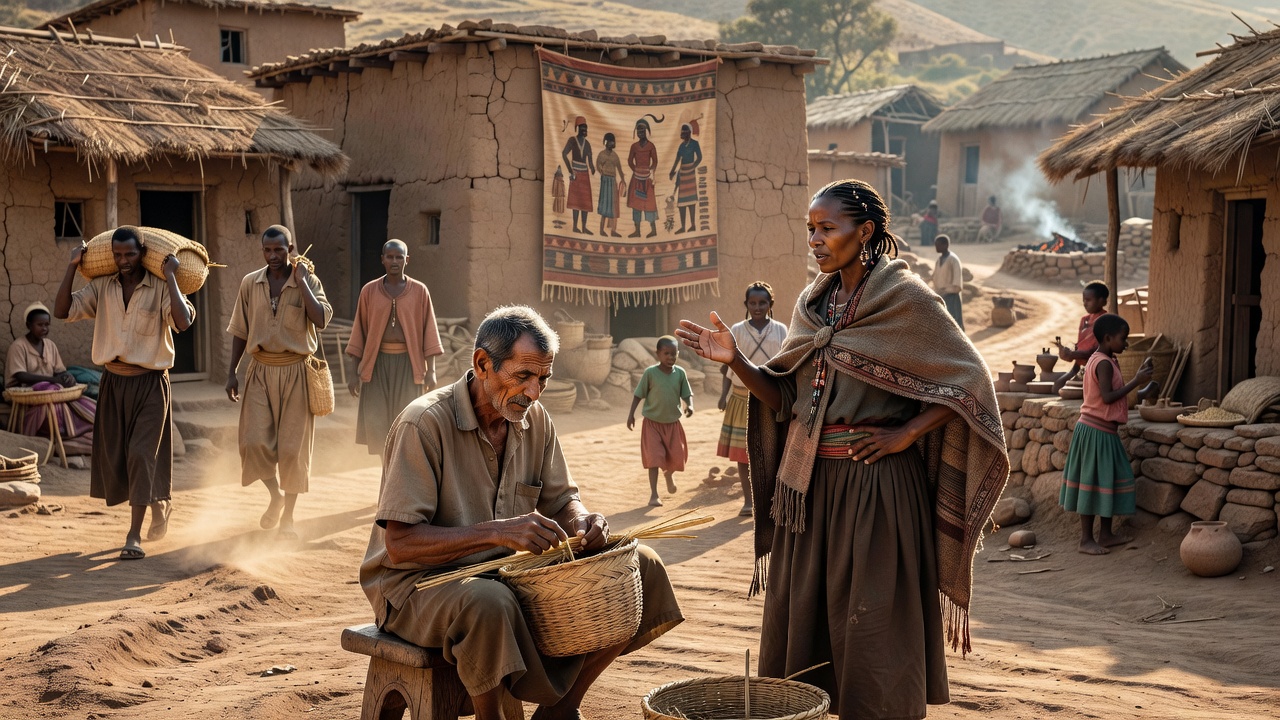
Artifacts such as pottery and woven textiles reveal sophisticated techniques passed down through families. These items served both utilitarian and ritual functions, embedding cultural values into everyday objects. Over centuries, the Lomazeno maintained autonomy by balancing trade with isolation, fostering unique customs insulated from broader regional influences.
Customs, Social Structure, and Beliefs
Extended family households form the core unit, with multiple generations sharing responsibilities for child-rearing and land management. Elders advise on disputes and seasonal planning, while younger members contribute labor during planting and harvest cycles. Annual festivals celebrate solstices and harvests with dances, songs, and shared meals that reinforce community bonds.
Traditional crafts include intricate basketry and cloth weaving using local fibers and dyes. These skills provide income and transmit symbolic patterns representing natural elements and ancestral stories. Spiritual beliefs center on harmony with the environment, guiding practices that limit overharvesting and encourage seasonal rituals honoring water sources and forests.
Modern Life and Cultural Preservation
Contemporary Lomazeno communities integrate schools and basic infrastructure while safeguarding language and rituals. Younger generations pursue education and seasonal work outside ancestral lands yet return for key ceremonies. Economic shifts from tourism and small-scale trade introduce new opportunities alongside risks of cultural dilution.
Community initiatives document oral traditions and promote artisan cooperatives to sustain heritage economically. This measured approach allows adaptation without erasure, ensuring Lomazeno identity remains vibrant amid external changes. Their story illustrates how indigenous groups navigate progress while honoring foundational values.